
Back to the Future
Written fro Cybersalon by Irina Shtreis
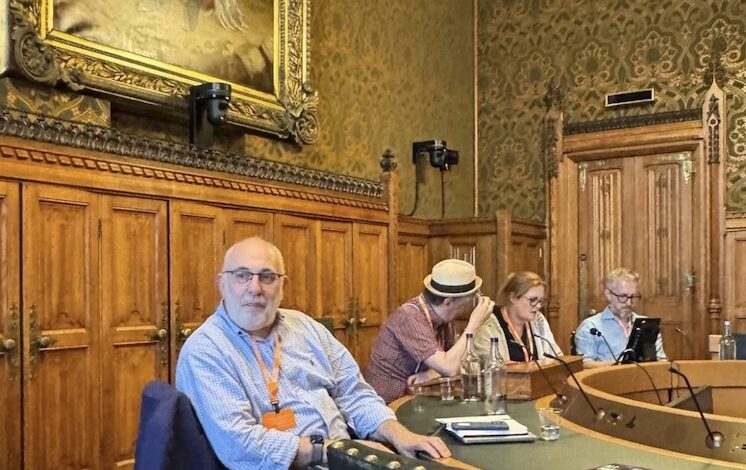
The third edition of the Future of Money sessions at House of Commons addressed rapid changes in current trends in the global financial system. From weakening of American dollar to rise of stablecoins and Bank of China swap lines, times are a-changing.
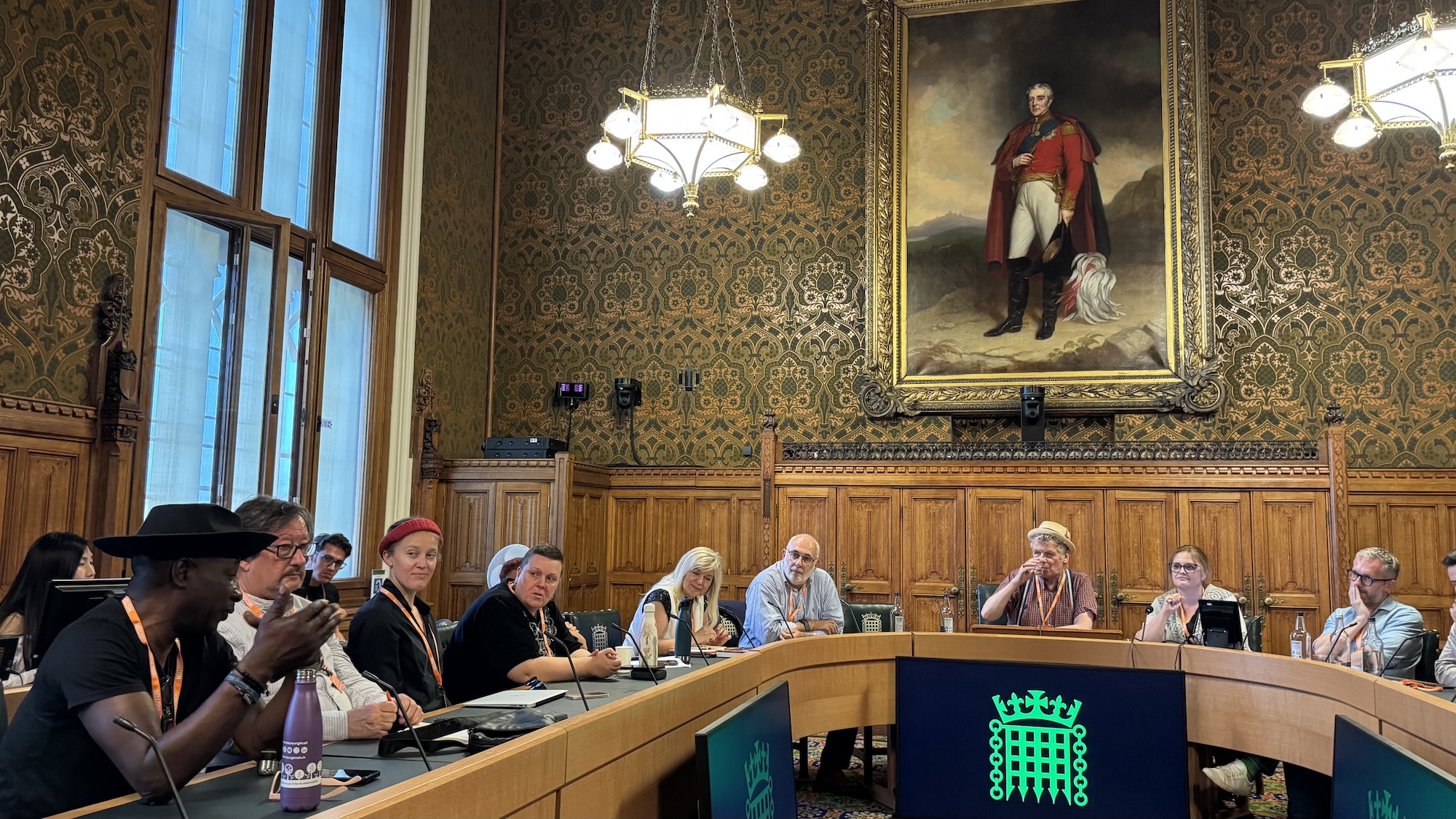
In the graceful mid-19-century interiors of the House of Commons, David Birch, a specialist in digital money, restores the appropriate historical context: “[After the industrial revolution], the lowest denomination note by the Bank of England was £5. What happened was that the private sector stepped in to fill the gap, and the big tech of the day, a Birmingham manufacturer, started to produce currency. These were called tokens. So what they did was take copper mainly from Wales and they manufactured it into lovely coins”.
Founded in 1817, Birmingham Mint was a remarkable example of a private company issuing currency for the global market — over the decades, the manufacturer produced coins for Britain, British Hong Kong as well as foreign nations such as Italy, Canton Province in China, Italy and France. The technology demonstrated by the private sector was eventually
borrowed by the Royal Mint. “The government eventually outlawed private money and produced the money that the economy needed itself”, elaborates Birch. Applying this example to the contemporary state of financial affairs, the author of Money in Metaverse and The Currency Cold War believes that here history repeats itself. “I think this is a very helpful way to think about it because we are in the same transition now — from industrial to post-industrial economy”, he says.
Similarly to how the Royal Mint outlawed the currency produced by private manufacturers, the current US administration now rejects central bank digital currencies (CBDCs) in favour of privately issued ‘stablecoins’. In the current socio-political context, historical references are useful as they provide a different perspective on what might seem worrying. This is what the speakers at the third edition of the Future of Money sessions, organised by Claim The Future and Cybersalon.org, offer to those in attendance.
The world dominance of the dollar, questioned by the experts at the previous event, is now discussed as a still ongoing trend. “You are wrong about BRICS and the dollar because actually, technology is reinforcing the dollar’s soft power. The idea that BRICS might replace it is fanciful. And if you look at the numbers right now, while it’s true there is a small reduction in the use of dollars as global assets, it’s not being replaced by the BRICS, it’s being replaced by working currencies like Swiss Franc and the SNB”.
This sentiment is shared by another speaker on board — senior finance editor of Politico Izabella Kaminska. “Usually I disagree with David”, she says. “But the idea of the dollar being on the way out is massively overdone. The soft power of the currency is going revitalise. We can see this is an agenda of Trump’s administration”.
One of the ways to ensure dollar dominance is through the global use of stablecoins. In their paper, Klooster, Martino and Monnet (CEPR) define stablecoins as “privately issued money that is intended to be convertible into more established forms of money at a one-to-one redemption or conversion rate (‘at par’) and backed by low-risk assets to meet redemptions and secure their value”. Tether (USDT) has been the most widely used stablecoin. “Who is behind Tether? I think Uncle Sam is behind Tether and has always been”, says Kaminska. “It’s just an unofficial under-the-counter stuff, creating a dollar that can be marketed to the world, especially where there is a demand for dollars”. Such dollar-in-disguise tactics could pose a threat to the euro area, potentially causing a digital dollarisation and especially reducing monetary sovereignty in the third countries.
“The demand for dollar assets is such that people are prepared to hold without any compensation whatsoever”, explains Kaminska. “If you happen to live in an African state or Asian state or even in Europe and you want access to a dollar account, it’s very difficult to get one. So stable coins resolve this problem because they are far more universal. Especially the ones that are irregular like Tether (USDT)”.
Unlike David Birch and Izabella Kaminska, presenter of the Macrodose podcast James Meadway is not convinced about the soft power of the dollar. If there is a strategy it does not necessarily imply keeping the currency. “This administration intends to reorder the world system to America’s benefit but that does not necessarily mean maintaining the US dollar in the same way as the genuine world currency”, says Meadway. That said, in the current monetary world, flexibility is synonymous with power. The economic dominance can be manifested through swap lines or agreements between central banks to provide access to each other’s currency during times of financial distress.
“The bank with the most swap lines than any Central Bank is the Bank of China that has forty plus different swap lines all over the world”, explains Meadway. “This is a really big form of power that the Bank now has in the world”. In this context, the owners of Dollars are in control of the American economy like the owners of Pound Sterling are in control of the British economy. While the dollar will not vanish overnight, its uncontested reign may give way to a new era of diversified monetary ecosystem- shaped by digital infrastructure and a reimagining of value itself.
Our discussion will continue at the next Future of Money panel, scheduled for September 2025.
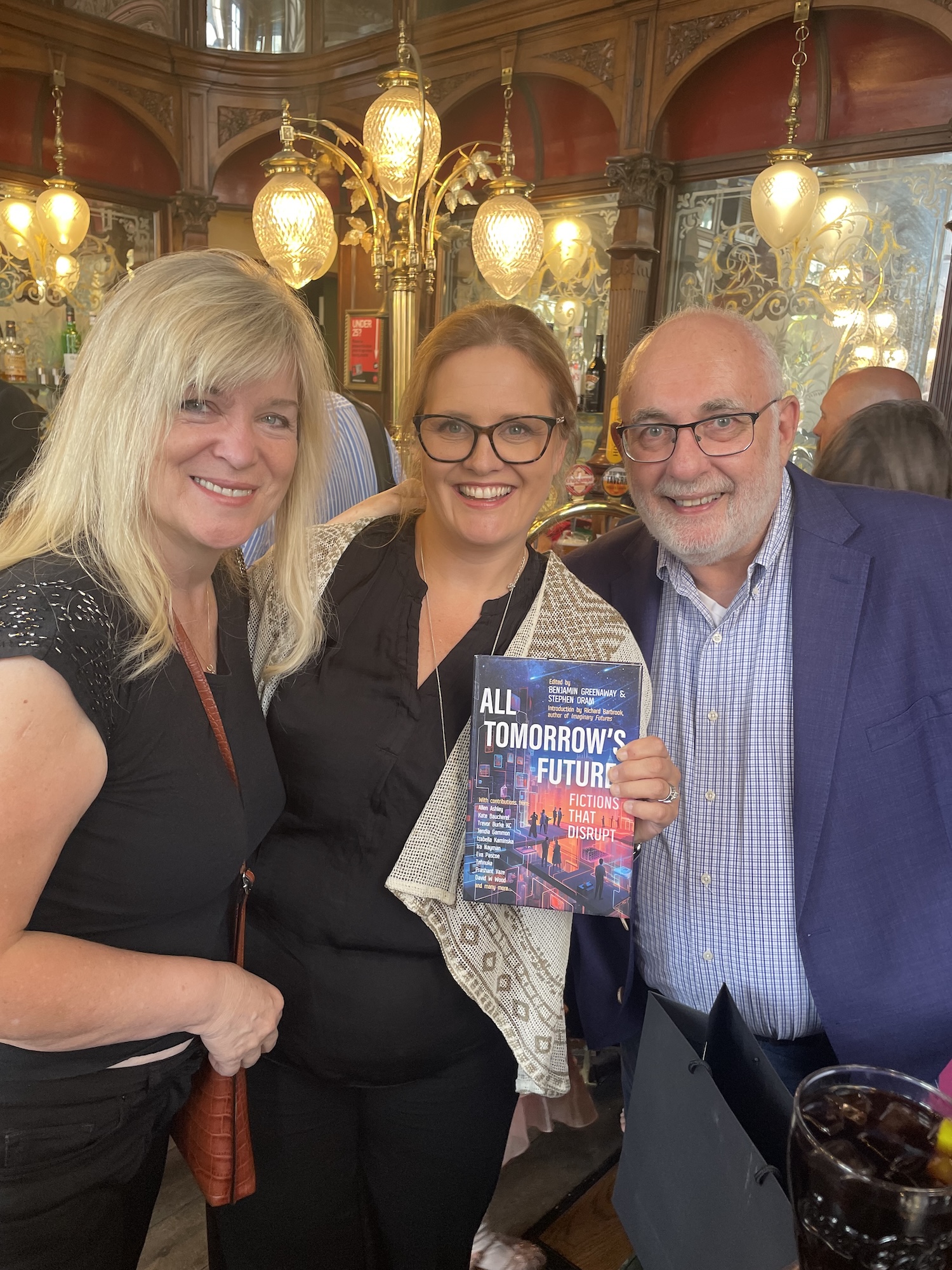
The Panel contributions from previous event on Future of Money are in this book.
Report – HoC “Future of Money” event 26/6/2025 by Irina Shtreis
Organised by Eva Pascoe, Dr Richard Barbrook (Cybersalon) @Cybrsalon
Panel:
- Iza Kaminska (Politico, The Blind Spot) @TheBlindsp0t,
- David Birch (author of Currency Cold War) @dgwbirch
- James Meadway @MacrodosePod @meadwaj
